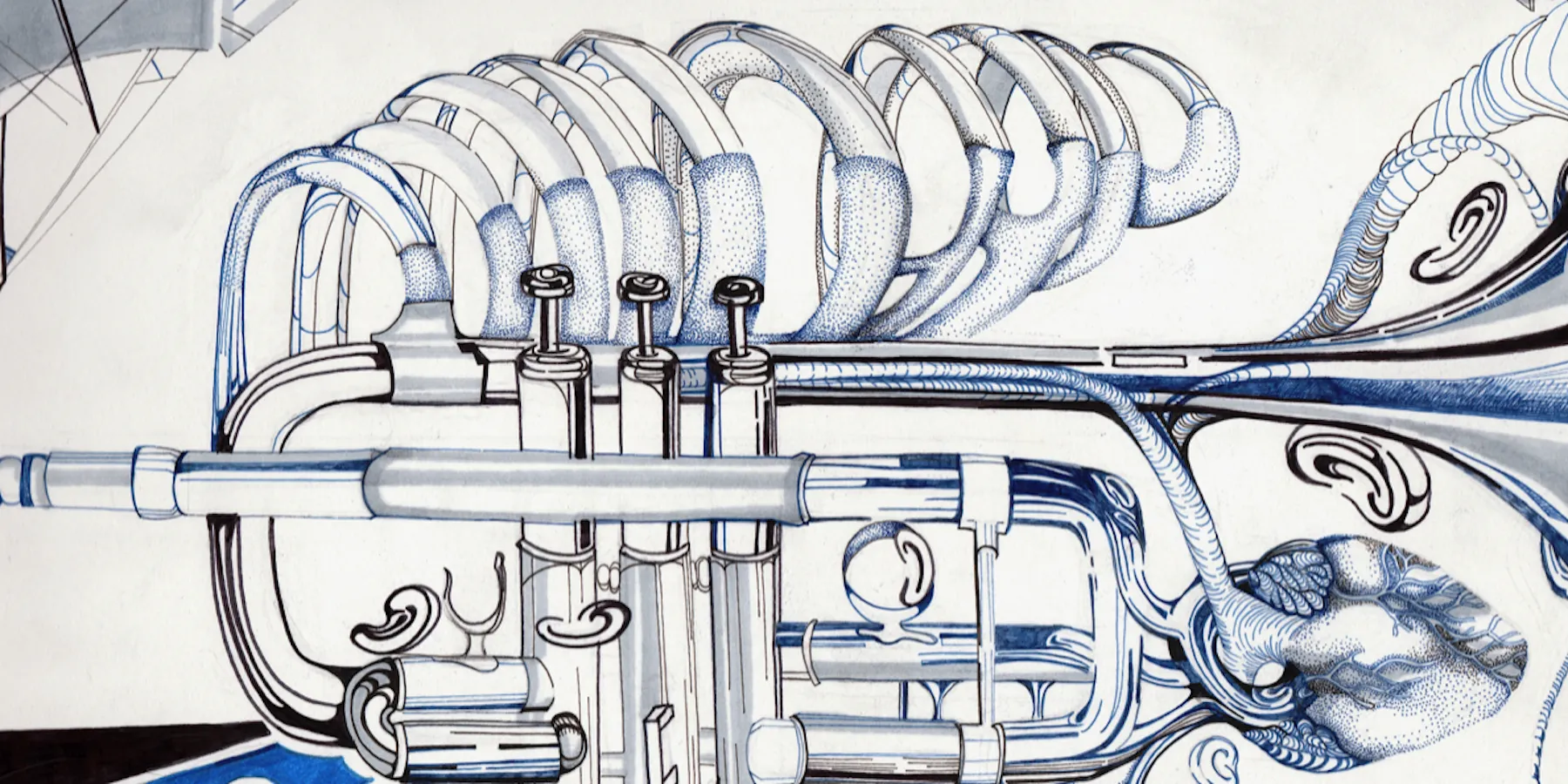
“Difficult” patient-physician encounters have roots in uncertainty about individuals’ trustworthiness, clinicians’ skills and training, and medical science.
AMA J Ethics. 2017;19(4):391-398. doi:
10.1001/journalofethics.2017.19.4.mhst1-1704.
Reflective learning during and after challenging experiences can be used to foster medical students’ moral development and professional identity formation.
AMA J Ethics. 2017;19(4):349-356. doi:
10.1001/journalofethics.2017.19.4.medu1-1704.
Monica Peek, MD, MPH, MSc, Bernard Lo, MD, and Alicia Fernandez, MD
Gender-concordant care requests involve principles of beneficence, respect, and fairness and, when they occur on rotations, require a team-based approach.
AMA J Ethics. 2017;19(4):332-339. doi:
10.1001/journalofethics.2017.19.4.ecas2-1704.