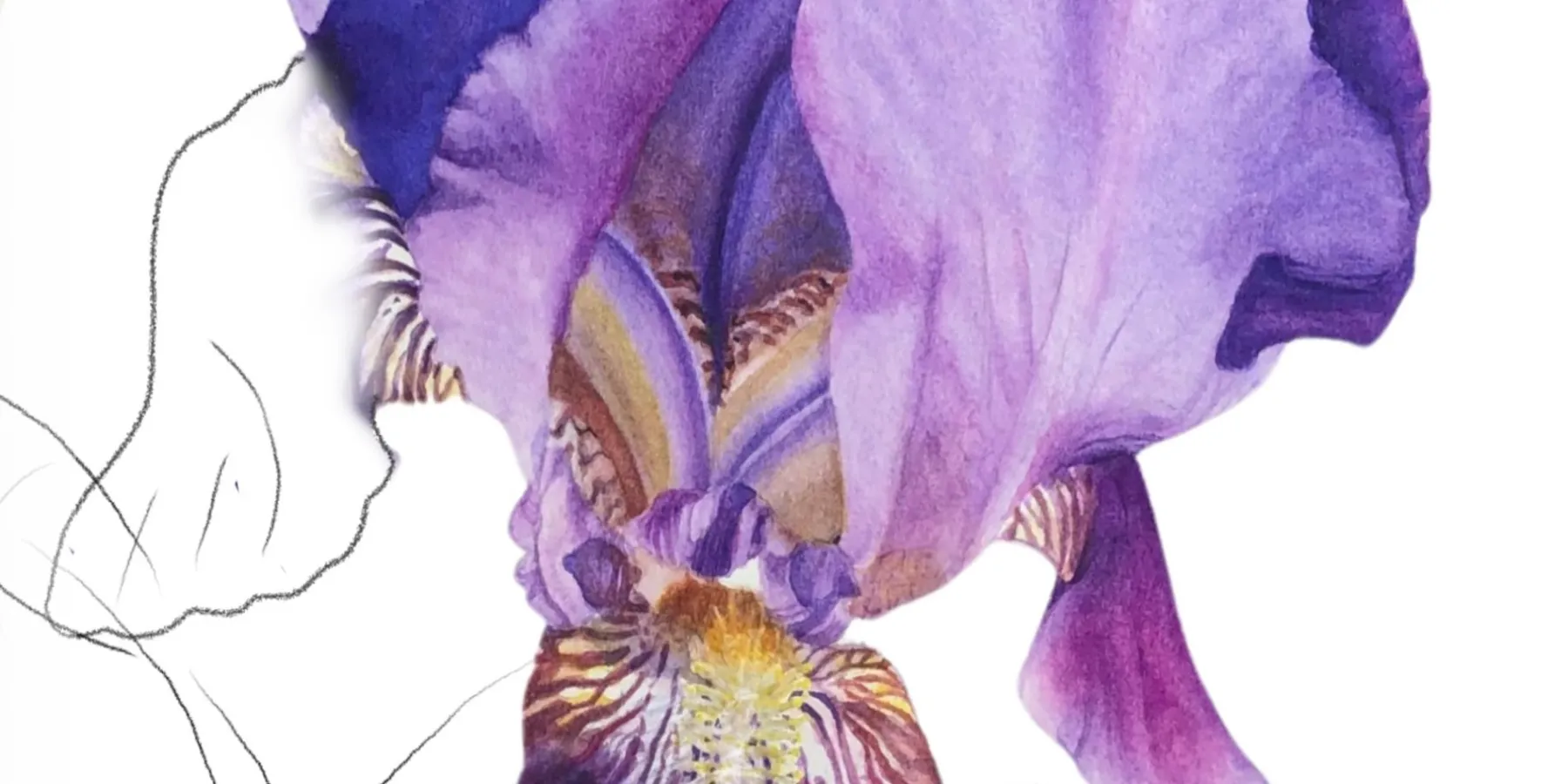
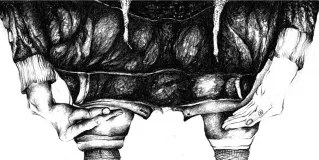
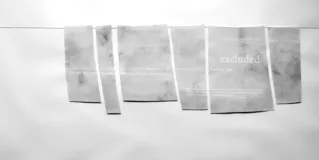
The image, “Dirty Laundry: Drug Formulary Exclusions,” calls attention to how drug formularies undermine physicians’ and patients’ medical decision making.
AMA J Ethics. 2017;19(6):629-630. doi:
10.1001/journalofethics.2017.19.6.imhl1-1706.
Art therapy helps trafficking survivors deal with trauma, but anti-trafficking advocates who exhibit survivors’ artwork must guard against re-exploitation.
AMA J Ethics. 2017;19(1):98-106. doi:
10.1001/journalofethics.2017.19.1.imhl1-1701.
People with autism have a right to access “autism-friendly” theatrical performances. Theater-based treatment programs can help remove stigma and cultivate participants’ reciprocal social communication skills.
AMA J Ethics. 2016;18(12):1232-1240. doi:
10.1001/journalofethics.2016.18.12.imhl1-1612.
Visual literacy modules can help trainees learn to integrate narrative and visual information in clinical encounters. The medical humanities curriculum at Australia’s Bond University uses art to build students’ diagnostic skills.
AMA J Ethics. 2016;18(8):843-854. doi:
10.1001/journalofethics.2016.18.8.imhl1-1608.