Susanne Sheehy, BM BCh, MRCP, DTM&H and Joel Meyer, BM BCh, MRCP
The decline in numbers of healthy volunteers who participate in clinical trials has the potential to become a key rate-limiting factor in vaccine development.
Karlie A. Intlekofer, PhD, Michael J. Cunningham, MS, and Arthur L. Caplan, PhD
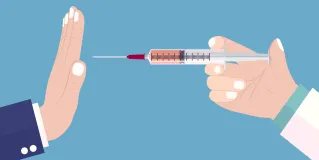
When public figures imperil the safety of the public with inaccurate claims that discourage vaccination, it is imperative that both organized medicine and individual physicians speak up.
Physicians, scientists, and public health officials are routinely on the defensive, refuting allegations of unconfirmed risks, justifying the value of vaccines, and striving to preserve public trust in vaccination overall.
Both public health agencies and vaccine companies have a stake in promulgating good information about vaccines: where the government sees gaps in immunization coverage, vaccine manufacturers see gaps in market coverage. Why shouldn't they work together to close them?
Concerns about the deleterious effects of stress on the mind and body have led to the beginnings of a stress vaccine, an injection that will reduce these effects.
Diagnosing a child with borderline signs of Asperger disorder can be a gateway to needed interventions and services and also a label that stigmatizes or influences the child’s development.
The early diagnosis of Alzheimer disease is a boon in that it enables advance planning, but that planning process can engender conflict between respect for future-oriented autonomy and future welfare.